Signal & Noise
Skimle's resource centre dedicated to high quality analysis using modern methods
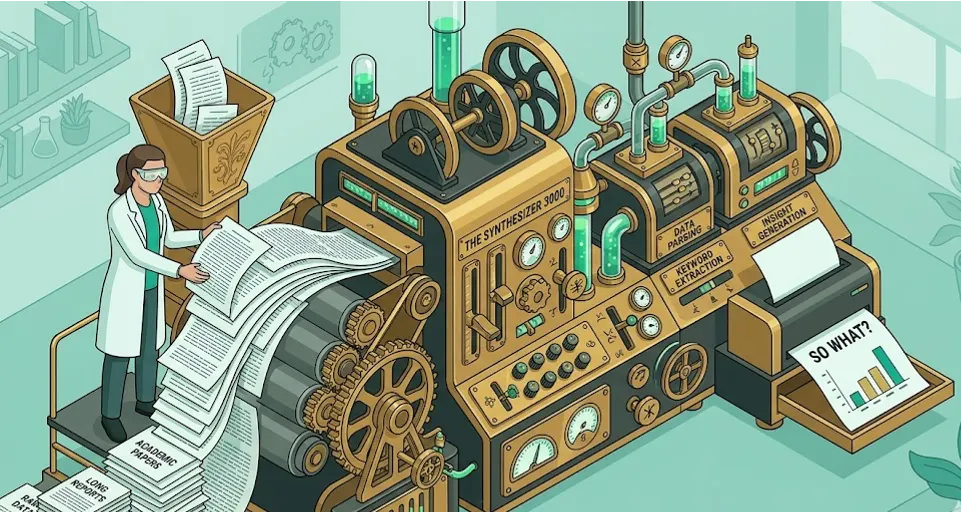
How to present qualitative research findings to executives who only trust numbers
How to make qualitative research findings land with sceptical executives: structuring findings, using frequency language, and building the credibility trail that numbers-first audiences need.
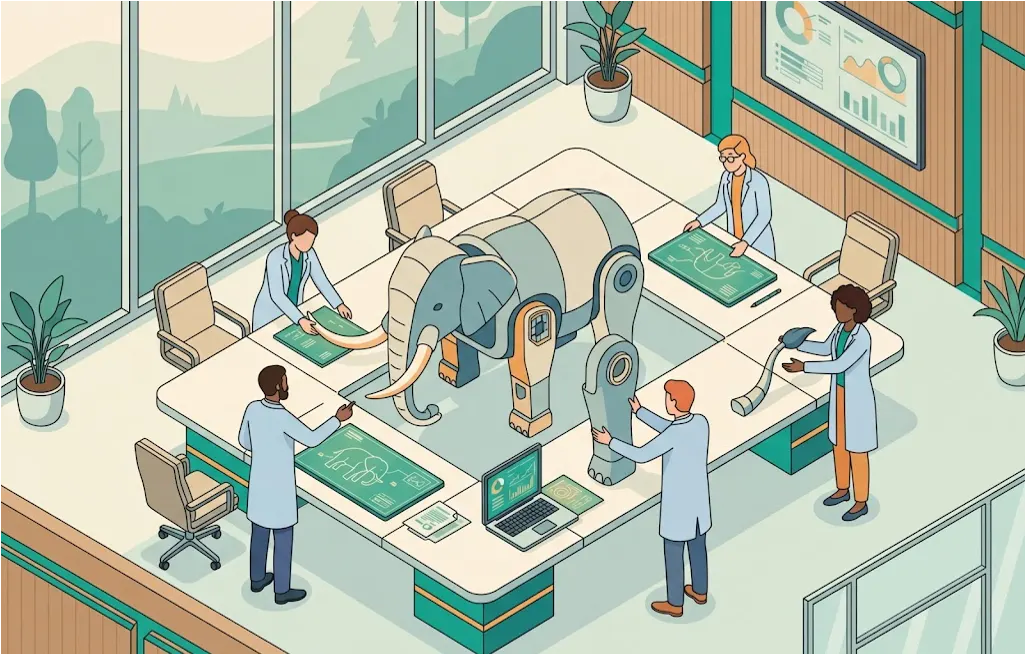
How to synthesise user research: turning 20 interviews into a clear story
A practical guide to user research synthesis: how to move from raw interview transcripts to structured findings and a stakeholder-ready narrative.

How to analyse 360 feedback: moving from report to development priorities
A practical guide to analysing 360-degree feedback: how to extract development priorities from qualitative comments and avoid the pitfalls of generic reports.

How to analyse exit interviews: turning departures into a retention strategy
A practical guide to exit interview analysis: how to collect, code, and synthesise departure data to identify real attrition drivers and act on them.

Competitive intelligence from qualitative data: what your customers say about your rivals
How to extract competitive intelligence from customer interviews, NPS verbatims, and win-loss calls — and analyse it systematically with thematic analysis.

Commercial due diligence in 2026: how AI is changing qualitative primary research
How AI is changing the synthesis of expert calls and customer reference interviews in commercial due diligence — and what it means for deal teams in practice.

How to build a research repository that people actually use
Most research repositories become graveyards. Here is how to design one that stays current, surfaces relevant insights, and earns a place in real workflows.

Always-on customer research: how to embed AI interviews at every stage of your product lifecycle
How startups and scale-ups can run continuous customer research from discovery to churn using embedded AI interviews, without a dedicated research team.
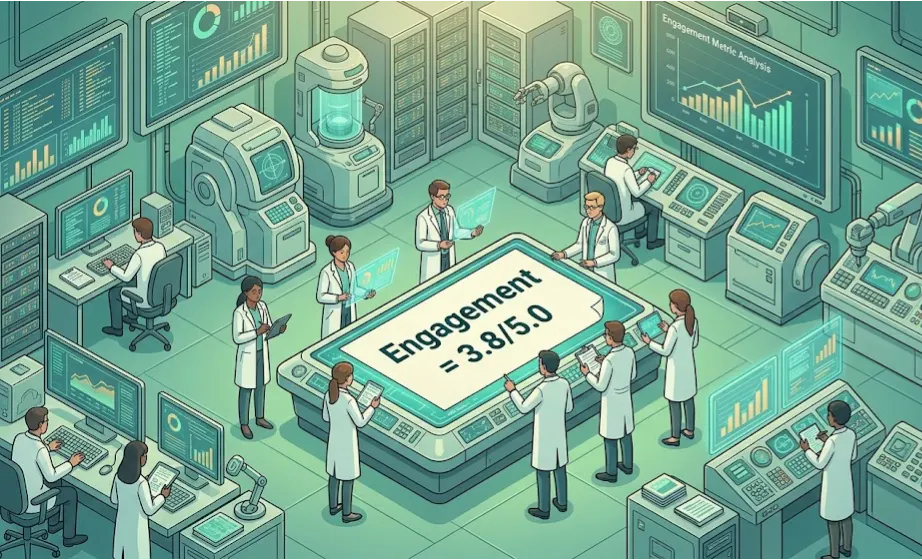
How to analyse employee survey results: moving beyond the numbers
Learn how to analyse employee survey results properly, from aggregate scores to open-text themes, and turn raw data into HR insights leadership will act on.

How to analyse NPS verbatim comments: turning free-text scores into actionable themes
NPS verbatim analysis reveals what the score never can. Learn how to turn open-text NPS comments into themes you can actually act on.
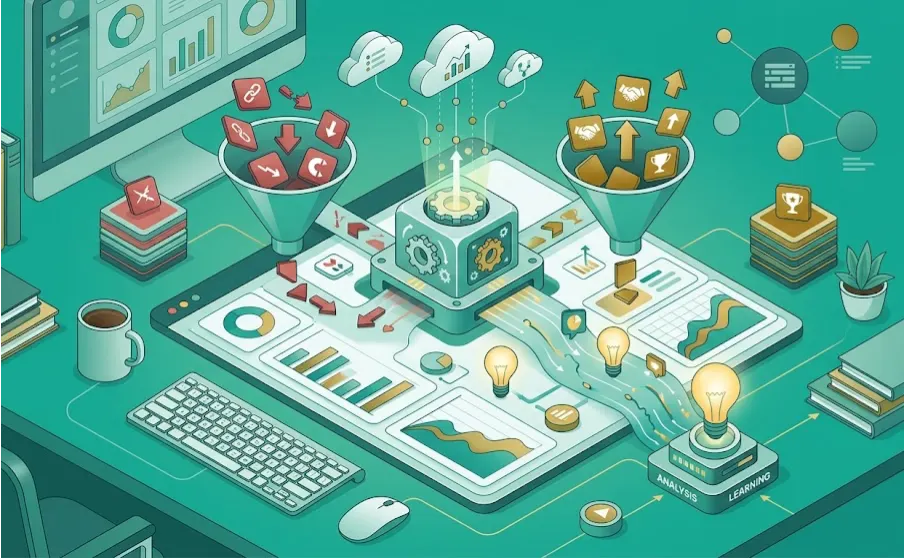
Win-loss analysis: how to systematically learn from deals you won and should have won?
Win-loss analysis only works when you treat interviews as structured data. Learn the methodology for systematic theme discovery across your whole deal set.

HR surveys - moving from meaningless numbers to deep insights using AI interviewers
Annual engagement surveys produce scores, not understanding. AI interviewers now make it possible to gather rich qualitative insights from hundreds of employees at the cost and speed of a survey.
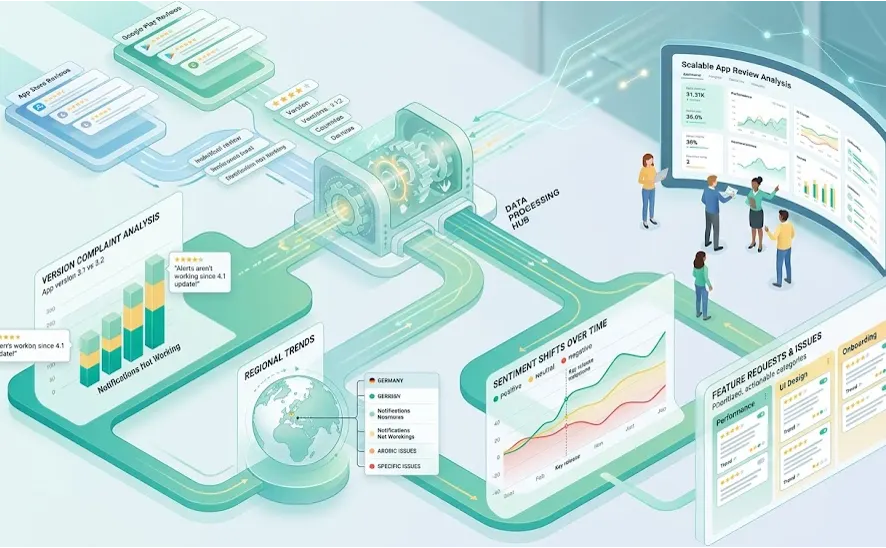
Analysing App Store reviews and online product reviews at scale
App Store review analysis at scale reveals version-specific complaints, regional trends, and sentiment shifts that reading individual reviews never could.

How to analyse focus group transcripts: the unique challenges of group data
Focus group transcript analysis requires a different approach to 1:1 interviews. Learn how to handle attribution, group dynamics, and dominant voices.

Analysing Zoom and Teams call transcripts: a practical guide for product and research teams
Turn your call transcript library into a structured qualitative dataset. A practical guide to call transcript analysis for product and research teams.

Self-serving qualitative data - How AI enables democratisation of insights
During the past ten years, dashboards have unleashed a wave of self-serve quantitative analyses. LLMs are now enabling that for qualitative data. What will this mean in practice & how to benefit?

How to analyse open text responses at scale - without losing your mind
The dreaded open text answer box on the last page. Researchers fear the cumbersome data it will create, and respondents worry if anybody is listening. Is there a smart way to turn answers to insights?

How consultants and investors use expert network calls — and how to get more from them with Skimle
Expert network calls cost 500 to 2500 EUR each. Most teams waste the investment. Learn how to treat expert network calls as structured qualitative data.

How to do thematic analysis - A practical step-by-step guide for business people
Learn how to analyse reports, interviews and other qualitative data by borrowing the best bits of academic thematic analysis methods. This practical guide shows you how to find patterns in customer in...

How to summarise interviews - 5 steps from expert call notes to client-ready insights
A practical guide to synthesizing expert, client or customer interviews for consultants and analysts. Learn how to extract key insights, identify themes, and create client-ready deliverables from inte...

How to analyse interview transcripts: 5 steps from raw data to insights
5 steps to analyse interview transcripts: from first read to final themes. Covers manual coding, AI-assisted analysis, and how to maintain rigour throughout.

Effective business interviews - Tips and tricks from a former McKinsey Partner
Before founding Skimle I was a Partner at McKinsey and did more than 1000 interviews. Here I share my interview guide and top tips.

Board meeting preparation - how to come prepared for the big meeting
Board meetings, official hearings, executive reviews. They all share one thing: hundreds of pages of pre-read materials and little time to digest them before the important moment. Here is what I have ...

Why ‘RAGs to riches doesn’t work’ - structuring data instead of dumping embeddings
Developers are starting to realise that even after optimising embeddings, chunking logic, reranking and models, RAG (Retrieval-Augmented-Generation) falls short in many real world applications